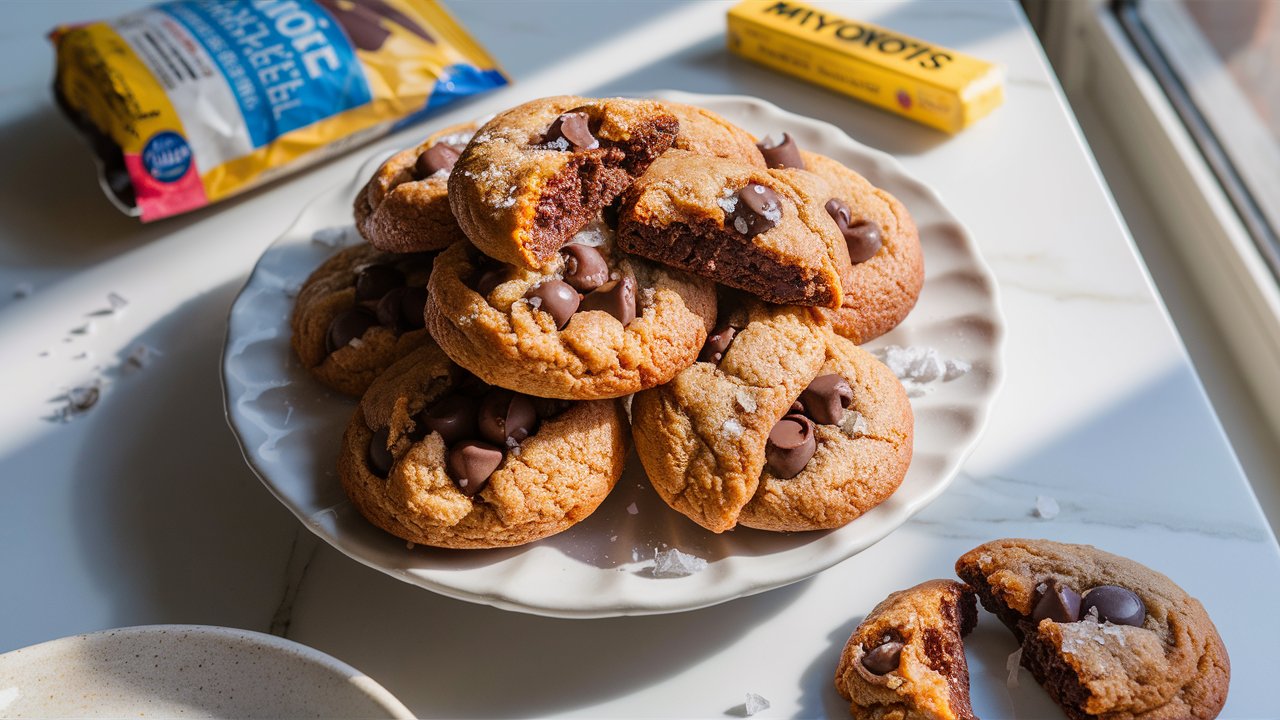
If you’ve been searching for dairy free cookies that are genuinely soft, genuinely chewy, genuinely flavorful, and genuinely indistinguishable from…
If you’ve been searching for dairy free cookies that are genuinely soft, genuinely chewy, genuinely flavorful, and genuinely indistinguishable from their butter-laden counterparts — you’ve come to exactly the right place. These dairy free cookies are the real deal — not compromised, not diminished, not obviously “free from” anything. Just extraordinary cookies that happen to contain zero dairy whatsoever.
The world of dairy free cookies has transformed dramatically in recent years. The dairy-free butter alternatives, coconut oils, and plant-based ingredients available today are genuinely excellent — producing dairy free cookies with the same tender crumb, crispy edges, chewy centers, and rich flavor that traditional butter-based cookies deliver. The key is knowing which dairy-free substitutes work best for which applications and understanding the small technique adjustments that make dairy free cookies as good as — and sometimes better than — conventional versions.
This guide gives you 15 of the best dairy free cookies recipes — from classic chocolate chip to sophisticated options that showcase the extraordinary range of what dairy-free baking can achieve — along with everything you need to know about ingredients, substitutions, and technique for consistently exceptional dairy free cookies.
People come to dairy free cookies for many different reasons — and all of them are completely valid:
Dairy allergy or intolerance: The most common reason people seek dairy free cookies. Dairy allergies — reactions to milk proteins like casein and whey — affect millions of people worldwide and can cause severe reactions. Lactose intolerance — the inability to digest lactose — affects an estimated 65% of the adult human population. Both conditions make standard butter-based cookies problematic and dairy free cookies essential.
Vegan lifestyle: Those following a plant-based or vegan lifestyle need dairy free cookies as a matter of principle. When combined with egg-free recipes (or flax eggs), dairy free cookies become fully vegan-friendly.
Kosher dietary laws: Jewish kosher dietary laws prohibit combining meat and dairy products. For those following kosher dietary law, dairy free cookies are essential for serving after meat meals — ensuring that dessert can be enjoyed without violating kashrut.
Health preferences: Some people simply feel better when they reduce or eliminate dairy from their diet — experiencing less inflammation, better digestion, and clearer skin. Dairy free cookies allow these people to enjoy their favorite treats without the associated discomfort.
Ingredient availability: Sometimes you simply run out of butter and need dairy free cookies that work with what you have. Coconut oil, vegan butter, or other dairy-free fats are increasingly common pantry staples that make excellent dairy free cookies.
The butter substitute you choose is the most important decision in any dairy free cookies recipe — and different substitutes produce different results:
Vegan butter (best overall substitute): Brands like Earth Balance, Miyoko’s Creamery, Country Crock Plant Butter, and Violife are the best all-around substitutes for dairy free cookies. These products are formulated to behave similarly to dairy butter in baking — they have similar fat content, similar water content, and similar melting behavior. They produce dairy free cookies that are virtually indistinguishable from butter-based versions.
Coconut oil: An excellent substitute for dairy free cookies with a slightly different flavor profile. Refined coconut oil has no coconut flavor and produces dairy free cookies with crispy edges and a slightly denser texture than butter-based cookies. Unrefined coconut oil adds a subtle coconut flavor that works beautifully in certain dairy free cookies — particularly chocolate-based recipes.
Olive oil: Works well for certain dairy free cookies — particularly Mediterranean-inspired recipes. Olive oil produces dairy free cookies that are softer and more cakey than butter-based versions. Use a mild, light-flavored olive oil to avoid the oil’s characteristic flavor overwhelming the dairy free cookies.
Avocado: Mashed ripe avocado can substitute for some or all of the butter in dairy free cookies — producing incredibly moist, tender cookies with a slightly green tint. Works particularly well in chocolate dairy free cookies where the cocoa masks any avocado flavor.
Nut butters: Almond butter, cashew butter, and sunflower seed butter all work as fat sources in dairy free cookies — particularly no-bake and grain-free recipes. They produce dairy free cookies with a richer, nuttier flavor and a denser, more fudgy texture.

Chocolate is one of the most common sources of hidden dairy in cookies — and choosing the right chocolate is essential for genuinely dairy-free cookies:
Dark chocolate: Most dark chocolate with 70% cacao or higher is naturally dairy free cookies-friendly. However, always check the label — some dark chocolate brands add milk fat or are produced on shared equipment with milk chocolate. Look for “dairy free” or “vegan” certification on the package for your dairy free cookies.
Dairy free chocolate chips: Several brands produce excellent dairy-free chocolate chips specifically designed for dairy free cookies baking — Enjoy Life, Pascha, and Hu Kitchen all produce chips that are certified dairy-free and free from most major allergens.
Cocoa powder: Pure unsweetened cocoa powder is naturally dairy free and produces excellent dairy free cookies when used in chocolate dough. Dutch-process cocoa produces a darker, smoother-flavored dairy free cookies while natural cocoa produces a slightly more acidic, complex result.
Cacao nibs: Unprocessed cacao nibs are naturally dairy-free and add a pleasantly bitter, intensely chocolatey crunch to dairy free cookies — a sophisticated alternative to standard chocolate chips.
The holy grail of dairy free cookies — soft, chewy, golden-edged cookies loaded with dairy-free chocolate chips. Made with vegan butter, brown sugar, and vanilla bean paste, these dairy free cookies are genuinely indistinguishable from the classic version. The secret is browning the vegan butter first — developing nutty, caramel notes that make these dairy free cookies extraordinary.
Rich, fudgy, intensely chocolatey dairy free cookies made with Dutch-process cocoa and dairy-free chocolate chips. The cocoa in the dough produces an almost brownie-like texture in these dairy free cookies — dense, moist, and deeply satisfying for anyone who takes their chocolate seriously.
Soft, pillowy dairy free cookies rolled in cinnamon sugar before baking. These dairy free cookies develop the characteristic snickerdoodle crinkled top and slightly tangy flavor from cream of tartar — exactly like the original, with zero dairy. The cinnamon sugar coating caramelizes beautifully during baking.
Classic fork-crosshatch peanut butter dairy free cookies made with natural peanut butter, coconut oil, and brown sugar. These dairy free cookies are naturally dairy-free and can easily be made with a flax egg for a fully vegan version. Rich, nutty, and deeply satisfying.
Hearty, chewy dairy free cookies packed with rolled oats, plump raisins, cinnamon, and nutmeg — made with vegan butter for a classic texture. These dairy free cookies are everything a great oatmeal cookie should be — thick, chewy, warmly spiced, and deeply satisfying.
Soft, perfectly shaped dairy free cookies ideal for decorating with royal icing. Made with vegan butter and vanilla bean paste these dairy free cookies hold their shape beautifully during baking — perfect for holiday cutouts and celebration decorating.
Melt-in-your-mouth dairy free cookies made with European-style vegan butter, powdered sugar, and vanilla. These dairy free cookies prove that dairy-free baking can produce the most delicate, refined texture — tender, buttery, and completely extraordinary.
Naturally dairy free cookies made with shredded coconut, egg whites, and vanilla — no butter required. These dairy free cookies are crispy on the outside, chewy and sweet on the inside, and can be dipped in dairy-free dark chocolate for an elegant finish.
Bright, zesty dairy free cookies made with fresh lemon zest, lemon juice, and vegan butter — topped with a simple lemon glaze. These dairy free cookies are refreshing, light, and perfect for spring and summer serving.
Deeply spiced, chewy dairy free cookies made with fresh ginger, ground ginger, cinnamon, cloves, and molasses. These dairy free cookies develop a beautifully crinkled surface and a complex, warming spice flavor that’s perfect for the holiday season.
Luxurious dairy free cookies made with dairy-free white chocolate chips and buttery macadamia nuts — soft, rich, and completely indulgent. These dairy free cookies prove that even the most decadent flavors are completely achievable without dairy.
Delicate, tender dairy free cookies made with almond flour, almond butter, and almond extract — naturally gluten-free as well as dairy-free. These dairy free cookies have a beautiful crumbly texture and an intense almond flavor that’s sophisticated and completely addictive.
Sesame-rich dairy free cookies made with tahini as the primary fat — producing a unique, slightly bitter, deeply nutty flavor that’s completely unlike any other cookie. These dairy free cookies are particularly popular in Middle Eastern-inspired baking and are extraordinary with a drizzle of honey.
The ultimate lazy-day dairy free cookies — chocolate, oats, peanut butter, and coconut oil combined on the stovetop and dropped onto parchment to set. These dairy free cookies require no oven, no special equipment, and absolutely no dairy — ready in under 30 minutes from start to finish.
Elegant, sophisticated dairy free cookies made with ceremonial-grade matcha powder and vegan butter — pale green, subtly earthy, and beautifully refined. These dairy free cookies are a stunning addition to any cookie box or afternoon tea presentation.

Understanding the small but important ways dairy free cookies behave differently from conventional cookies helps you bake with confidence:
Spread: Dairy free cookies made with coconut oil tend to spread more than butter-based cookies — the lower melting point of coconut oil means it liquefies earlier during baking. Chilling the dough before baking controls this spread and produces thicker, chewier dairy free cookies.
Color: Dairy free cookies may brown slightly differently from conventional cookies — vegan butter substitutes have different water and fat compositions that affect the Maillard reaction. Some dairy free cookies may require slightly longer baking times to achieve the same golden color as butter-based versions.
Texture: Dairy free cookies made with vegan butter generally have a very similar texture to conventional cookies. Those made with coconut oil tend to be slightly crispier, while those made with olive oil tend to be softer and more cakey.
Flavor: High-quality vegan butter substitutes like Miyoko’s produce dairy free cookies with a flavor virtually identical to butter-based versions. Lower-quality substitutes can produce dairy free cookies with a slightly waxy or artificial aftertaste — invest in the best vegan butter available for the best dairy free cookies.
Use room temperature vegan butter. Just like dairy butter, vegan butter for dairy free cookies should be at room temperature before creaming with sugar. Cold vegan butter doesn’t cream properly and warm vegan butter produces dairy free cookies that spread too flat.
Chill the dough. Chilling dairy free cookies dough for at least 1 hour before baking — and up to 48 hours for maximum flavor development — produces thicker, chewier dairy free cookies with more complex flavor and better structure.
Check labels carefully. Hidden dairy appears in many unexpected ingredients used in dairy free cookies — chocolate chips, some baking chocolates, certain flavored extracts, and even some vegetable oils can contain dairy derivatives. Always check labels when making dairy free cookies for someone with a dairy allergy.
Brown the vegan butter. Many vegan butters — particularly Miyoko’s and Earth Balance — can be browned just like dairy butter. Brown vegan butter in dairy free cookies adds the same nutty, caramel depth that makes brown butter cookies so extraordinary — one of the best techniques for elevating dairy free cookies.
Use flax or chia eggs for fully vegan dairy free cookies. If you also need egg-free dairy free cookies, substitute each egg with a flax egg (1 tablespoon ground flaxseed plus 3 tablespoons water, rested 5 minutes) or chia egg (same ratio). These work well in most dairy free cookies recipes.
Dough storage: Most dairy free cookies dough keeps in the refrigerator for up to 3 days or frozen for up to 3 months. Scoop into balls before freezing for convenient ready-to-bake dairy free cookies anytime.
Baked cookie storage: Store baked dairy free cookies in an airtight container at room temperature for up to 5 days. Most dairy free cookies actually improve slightly on day two as the flavors meld.
Freezing baked cookies: Baked dairy free cookies freeze beautifully for up to 3 months. Layer in an airtight container with parchment between layers and thaw at room temperature for 30 minutes before serving.
Do dairy free cookies taste different from regular cookies? When made with high-quality vegan butter substitutes, dairy free cookies taste virtually identical to conventional cookies. Most people cannot distinguish between well-made dairy free cookies and their butter-based counterparts in blind taste tests.
What is the best vegan butter for dairy free cookies? Miyoko’s Creamery European Style Cultured Vegan Butter produces the most butter-like flavor and texture in dairy free cookies. Earth Balance Buttery Sticks are widely available and produce excellent results. Country Crock Plant Butter is another excellent option for dairy free cookies.
Can I use coconut oil instead of vegan butter in dairy free cookies? Yes — refined coconut oil (no coconut flavor) is an excellent substitute in most dairy free cookies recipes. Use the same quantity as vegan butter. Expect slightly crispier edges and potentially more spread in these dairy free cookies.
Are dairy free cookies also gluten-free? Not automatically — most dairy free cookies still contain wheat flour. To make dairy free cookies that are also gluten-free, use a 1:1 gluten-free flour blend or almond flour, depending on the specific dairy free cookies recipe.
How do I know if chocolate is dairy free for cookies? Look for chocolate labeled “dairy free,” “vegan,” or “made without milk.” Check the ingredient list of any chocolate used in dairy free cookies for milk, milk fat, butter fat, whey, casein, or lactose — all indicate dairy content.

These 15 dairy free cookies prove definitively that removing dairy from cookie baking is not a compromise — it’s simply a different approach that, done correctly, produces results every bit as delicious as conventional butter-based cookies. With high-quality vegan butter, properly sourced dairy-free chocolate, and the right technique, dairy free cookies can be soft, chewy, crispy, fudgy, elegant, or indulgent — whatever you need them to be.
Whether you’re baking dairy free cookies for someone with a dairy allergy, following a vegan lifestyle, observing kosher dietary law, or simply experimenting with plant-based baking — these dairy free cookies deliver the full, satisfying cookie experience without compromise.
Make them once and discover for yourself why dairy free cookies — properly made, carefully crafted, and baked with quality ingredients — deserve a permanent place in every baker’s repertoire.


