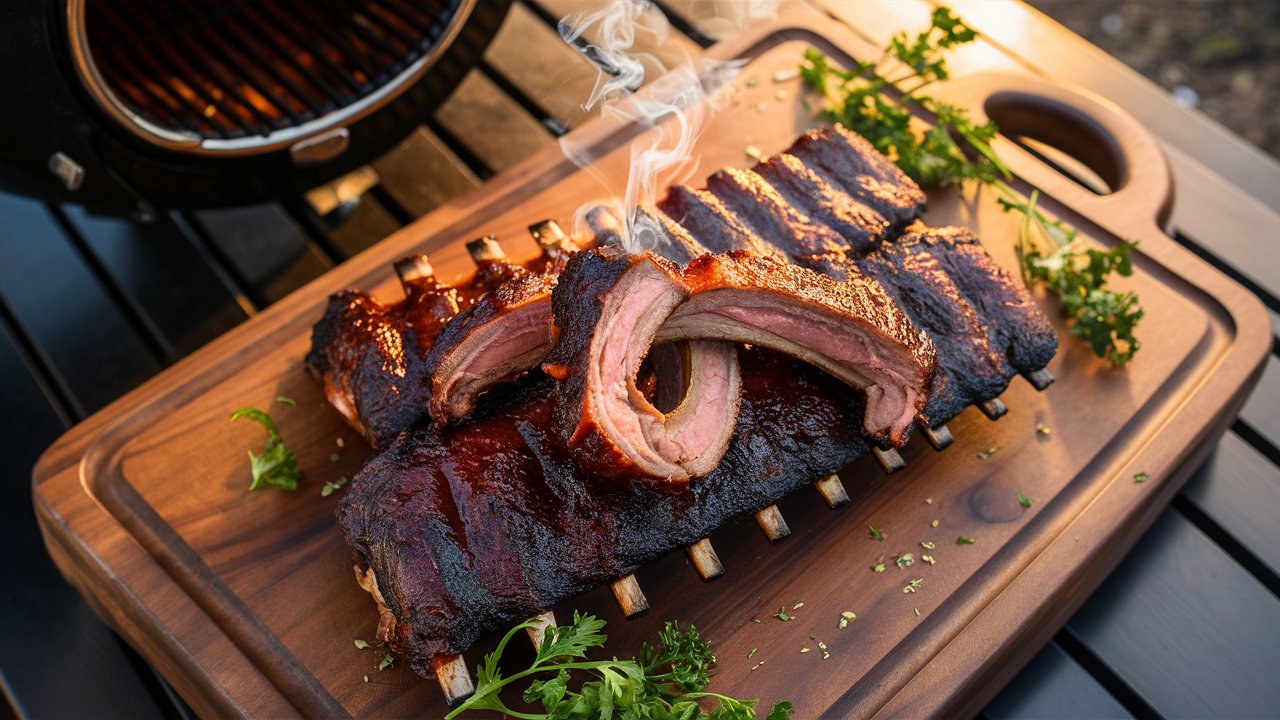
There is a particular kind of satisfaction that comes from lifting the lid of a pellet smoker after hours of…
There is a particular kind of satisfaction that comes from lifting the lid of a pellet smoker after hours of patient, low-temperature cooking — the moment the smoke clears and you see a brisket with a perfect mahogany bark, a rack of ribs with a shimmering lacquered surface, or a whole chicken with skin so golden and crispy it practically crackles at the sight of it. These pellet smoker recipes are designed to deliver that moment — that specific combination of visual drama, aromatic intensity, and flavor depth that only wood-fired, slow-smoked cooking can produce.
The pellet smoker has genuinely democratized low-and-slow BBQ — the cooking style that previously demanded years of experience, constant monitoring, and an instinctive feel for fire management that took barbecue masters decades to develop. These pellet smoker recipes leverage the pellet grill’s remarkable temperature consistency, automated fuel feeding, and set-and-monitor convenience to produce results that rival competition-level BBQ without the steep learning curve. Whether you’re a weekend warrior who just unboxed their first pellet grill or a seasoned outdoor cook looking to expand your pellet smoker recipes repertoire — this guide gives you 15 extraordinary recipes that showcase everything this remarkable cooking method can achieve.
Before diving into these pellet smoker recipes, understanding what makes pellet grills uniquely capable helps you cook with more confidence and intention:
Precision temperature control. Unlike offset smokers or charcoal setups that require constant fuel management and vent adjustment, pellet smokers maintain precise temperatures automatically — feeding compressed wood pellets into a firebox at exactly the rate required to hold your set temperature. This precision is what makes these pellet smoker recipes so reliably successful — you set the temperature, load the meat, and the grill maintains cooking conditions within a few degrees of your target for hours.
The wood pellet advantage. The compressed hardwood pellets used in these pellet smoker recipes are made from pure hardwood sawdust with no fillers, binders, or additives. They burn cleanly and completely, producing a thin blue smoke that’s ideal for these pellet smoker recipes rather than the thick white smoke that produces bitter, acrid flavors. The variety of available pellet woods — hickory, apple, cherry, mesquite, pecan, oak, alder — gives these pellet smoker recipes extraordinary flavor range.
The convection cooking effect. Pellet smokers circulate hot air around the food in these pellet smoker recipes much like a convection oven — producing more even cooking, better bark development, and more consistent results than direct-heat smoking methods. This convection effect in these pellet smoker recipes is particularly valuable for large cuts like brisket and pork shoulder that take many hours to cook.
The moisture retention. The relatively gentle, indirect heat of pellet smoking in these pellet smoker recipes allows large cuts of meat to slowly release and reabsorb their own juices during the long cooking process — producing results that are simultaneously deeply smoked on the exterior and extraordinarily juicy in the interior.

The wood pellet you choose fundamentally shapes the flavor character of these pellet smoker recipes — and matching wood to protein is one of the most important decisions you make:
Hickory: The most classic American BBQ smoke wood — strong, assertive, and intensely smoky. Hickory is the traditional choice for pork-based pellet smoker recipes — ribs, pulled pork, and pork shoulder — where its bold smoke character complements the rich, fatty meat beautifully. Use with restraint in lighter pellet smoker recipes — hickory can overpower delicate proteins.
Apple: Sweet, mild, and fruity — apple wood produces a gentle smoke that’s ideal for pellet smoker recipes involving poultry, pork, and fish. The subtle fruit note of apple smoke pairs particularly beautifully with chicken and turkey in these pellet smoker recipes — adding complexity without any harsh bitterness.
Cherry: Produces a beautiful mahogany color and a slightly sweet, mild smoke that’s one of the most versatile choices for pellet smoker recipes across all protein types. Cherry wood is particularly magical in beef pellet smoker recipes — the subtle fruitiness enhances the natural sweetness of well-marbled beef.
Mesquite: The most intense and most assertive of all smoke woods — mesquite burns hot and produces a distinctive, slightly earthy, almost leathery smoke character. Use in pellet smoker recipes involving bold-flavored meats like beef brisket and lamb — and use sparingly, as excessive mesquite smoke can make these pellet smoker recipes bitter.
Pecan: A beautiful middle ground between hickory and apple — pecan produces a rich, nutty, mildly sweet smoke that works beautifully across virtually all pellet smoker recipes. Pecan is particularly magnificent in poultry pellet smoker recipes and any preparation involving cheese.
Oak: The most neutral and most flexible of all smoke woods — oak is the backbone of Texas-style BBQ and the default choice for beef pellet smoker recipes where you want clean, honest smoke without fruit or nut notes. Post oak in particular is the defining wood of central Texas brisket pellet smoker recipes.
Alder: The traditional choice for fish pellet smoker recipes — particularly salmon. Alder produces a delicate, slightly sweet smoke that’s light enough not to overwhelm the natural flavor of fish while still adding genuine smoke complexity to these pellet smoker recipes.

The undisputed king of all pellet smoker recipes — a whole packer brisket smoked at 107°C for 12–16 hours until the flat is probe-tender and the point has rendered into something almost gelatinous with richness. The bark — that extraordinary black crust of rendered fat, bark seasoning, and smoke — is what separates these pellet smoker recipes from any other cooking method.
The most reliable method for perfect ribs in these pellet smoker recipes — 3 hours unwrapped at 107°C to develop smoke and bark, 2 hours wrapped in foil with butter and brown sugar to braise and tenderize, and 1 final hour unwrapped to set the glaze. These pellet smoker recipes produce fall-off-the-bone ribs with a lacquered, sweet-savory surface.
Boston butt smoked at 107°C for 10–14 hours until the internal temperature reaches 93°C and the bone pulls out cleanly. These pellet smoker recipes produce pulled pork with extraordinary bark, moist and fatty shredded meat, and a depth of smoky flavor that a slow cooker or oven can never approach.
One of the most approachable pellet smoker recipes for beginners — a whole chicken spatchcocked (backbone removed and flattened) and smoked at 163°C for 3–4 hours. The spatchcock method in these pellet smoker recipes ensures even cooking and produces the crispiest possible skin.
One of the most elegant and most technically interesting pellet smoker recipes — salmon fillets dry-brined overnight in salt and brown sugar, then cold-smoked at 77°C for 3–4 hours over alder wood until just cooked through and deeply aromatic. The result in these pellet smoker recipes is silky, intensely flavored smoked salmon that rivals any commercial version.
Larger, fattier, and more intensely flavored than baby backs — spare ribs in these pellet smoker recipes require slightly longer cooking but reward that patience with a richer, more porky flavor and more dramatic presentation. Trimmed St. Louis style for these pellet smoker recipes and finished with your favorite BBQ glaze.
The most budget-conscious of all beef pellet smoker recipes — chuck roast smoked low and slow until it reaches brisket-like tenderness at a fraction of the brisket’s price. These pellet smoker recipes with chuck produce extraordinary pulled beef that’s magnificent in tacos, sandwiches, and bowls.
Bone-in turkey breast brined overnight and smoked at 135°C for 4–5 hours until the skin is mahogany and the internal temperature reaches 71°C. These pellet smoker recipes produce turkey breast that’s simultaneously deeply smoked and extraordinarily juicy — the brine preventing the lean breast meat from drying during the long smoke.
The most surprising entry in these pellet smoker recipes — a rich, scratch-made mac and cheese transferred to a cast iron skillet and smoked at 107°C for 1.5 hours. The smoke permeates the creamy sauce and toasted breadcrumb topping of these pellet smoker recipes in a way that genuinely elevates a great comfort food dish into something extraordinary.
One of the most impressive pellet smoker recipes for entertaining — a bone-in lamb shoulder rubbed with Mediterranean spices and smoked at 120°C for 8–10 hours until the meat falls from the bone. These pellet smoker recipes are perfect for a Saturday afternoon when you want to produce something spectacular without being chained to the kitchen.
Often called “brisket on a stick” — beef short ribs in these pellet smoker recipes are smoked at 120°C for 8–10 hours until the meat has pulled back from the bone and the fat has rendered into pure, luxurious richness. These pellet smoker recipes produce the single most dramatic presentation of any BBQ dish.
One of the quickest and most versatile pellet smoker recipes — a block of cream cheese scored in a crosshatch pattern, seasoned with everything bagel seasoning or honey and pepper, and smoked at 107°C for 2 hours. These pellet smoker recipes transform a simple pantry staple into an extraordinary appetizer that pairs beautifully with crackers and jams.
The most crowd-pleasing pellet smoker recipes for gatherings — chicken wings smoked at 107°C for 1.5 hours to develop smoke and render fat, then blasted at 230°C for 20 minutes to crisp the skin to shattering perfection. These pellet smoker recipes produce wings that are simultaneously deeply smoked and genuinely crispy.
The most overlooked category in pellet smoker recipes — bell peppers, corn, zucchini, and portobello mushrooms smoked at 163°C for 1–2 hours develop a complex, smoky sweetness that transforms ordinary vegetables into something genuinely extraordinary. These pellet smoker recipes are perfect for vegetarian guests and make spectacular sides alongside any meat preparation.
A humble dish made extraordinary in these pellet smoker recipes — a well-seasoned meatloaf formed on a wire rack and smoked at 135°C for 3 hours until the exterior develops a beautiful bark and the interior reaches perfect doneness. These pellet smoker recipes give classic comfort food an entirely new dimension of flavor.

The stall — understanding and managing it. When smoking large cuts in these pellet smoker recipes, the internal temperature will plateau at approximately 65–71°C for several hours — sometimes up to 6 hours — as evaporative cooling counteracts the heat input. This is the stall — and it’s completely normal in these pellet smoker recipes. Managing the stall: either wait it out patiently (produces the best bark) or wrap the meat tightly in butcher paper or foil (the Texas crutch — speeds through the stall but softens the bark slightly).
The probe test over temperature. For large cuts in these pellet smoker recipes, internal temperature is a guideline — not the final arbiter of doneness. A brisket or pork shoulder in these pellet smoker recipes is done when a probe slides into the thickest part of the meat with zero resistance — like pushing into warm butter. Temperature can vary by several degrees depending on the specific cut.
Resting is mandatory. Every large cut in these pellet smoker recipes must rest after cooking — minimum 1 hour, ideally 2–4 hours wrapped in butcher paper and towels inside a cooler. Resting allows the muscle fibers to relax and reabsorb juices that were pushed toward the center during cooking. Slicing too soon in these pellet smoker recipes releases all those juices onto the cutting board rather than into your mouth.
The importance of a water pan. Adding a water pan to your pellet smoker for these pellet smoker recipes maintains humidity inside the cooking chamber — preventing the exterior of large cuts from drying before the interior is properly cooked and helping smoke adhere more effectively to the meat surface.
Cold meat takes smoke better. For these pellet smoker recipes that prioritize smoke penetration — particularly brisket and pork shoulder — start with cold meat directly from the refrigerator. The cold surface creates condensation that attracts smoke particles and allows more smoke flavor to develop before the exterior surface seals during cooking.
Texas-style simple rub (for beef): Equal parts coarse kosher salt and coarse black pepper — nothing else. This rub for beef pellet smoker recipes allows the meat’s natural flavor and the smoke to be the primary experience.
All-purpose BBQ rub (for pork and chicken): Brown sugar, smoked paprika, garlic powder, onion powder, black pepper, salt, and a pinch of cayenne. This balanced rub for pellet smoker recipes develops beautiful color and a slightly sweet crust.
Herb rub (for lamb and turkey): Fresh rosemary, fresh thyme, garlic, olive oil, salt, and pepper. This aromatic rub for pellet smoker recipes complements the more assertive flavors of lamb and turkey without overpowering the smoke.
Refrigerator: Most pellet smoker recipes produce large quantities that store beautifully in airtight containers for up to 5 days. Pulled pork, brisket, and smoked chicken in these pellet smoker recipes often taste better the next day as the smoke flavor continues to develop.
Freezing: All meat-based pellet smoker recipes freeze excellently for up to 3 months. Vacuum sealing produces the best results — preventing freezer burn and preserving the smoke flavor of these pellet smoker recipes most effectively.
What temperature is best for most pellet smoker recipes? Most large cuts in these pellet smoker recipes smoke best between 107–135°C. Poultry pellet smoker recipes benefit from slightly higher temperatures — 163°C — to render fat and crisp skin.
How long do pellet smoker recipes typically take? Time varies enormously across these pellet smoker recipes — from 2 hours for chicken wings to 16+ hours for a whole brisket. Always plan for more time than you expect in these pellet smoker recipes and use the probe test rather than time as your primary doneness indicator.
Do I need to soak wood pellets for these recipes? Never — soaking wood pellets for these pellet smoker recipes would damage them and potentially jam your pellet feeder. Pellets are designed to be used dry.
How much smoke should I see from my pellet smoker? For these pellet smoker recipes, you want a thin, wispy blue smoke rather than thick white smoke. Thick white smoke indicates incomplete combustion and will make these pellet smoker recipes taste bitter and acrid.

These 15 pellet smoker recipes represent the full range of what the pellet grill does best — from the grand drama of a whole brisket to the surprising sophistication of smoked cream cheese, from the primal satisfaction of beef short ribs to the delicate elegance of smoked salmon. Every one of these pellet smoker recipes leverages the unique capabilities of pellet smoking — precise temperature control, clean wood smoke, convection cooking, and the patience of low-and-slow — to produce results that justify every minute of cooking time.
Choose your first pellet smoker recipes based on your experience level and available time. Master the fundamentals — temperature management, the stall, the probe test, the rest. Then work through the collection systematically, building your pellet smoker recipes repertoire one extraordinary cook at a time.


