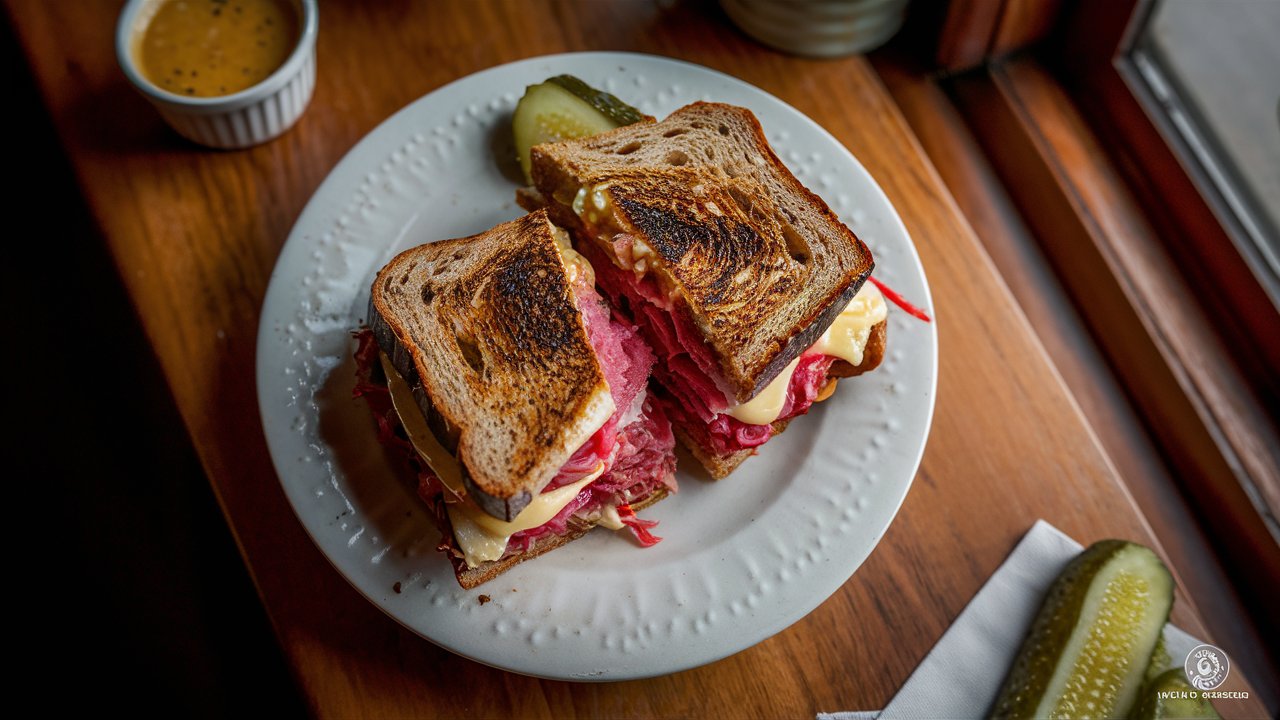
Rye bread occupies a unique and entirely deserved position in the world of bread — denser than wheat bread, more…
Rye bread occupies a unique and entirely deserved position in the world of bread — denser than wheat bread, more complex in flavor, with a distinctive slightly sour, earthy, mildly bitter character that pairs with an astonishing range of ingredients in ways that ordinary white or wheat bread simply cannot approach. These recipes with rye bread are designed to celebrate everything that makes rye bread so extraordinary — its robust flavor, its firm texture, its remarkable affinity for bold, assertive partners like cured meats, sharp cheeses, pickled vegetables, and rich spreads.
What most people who reach for rye bread only as an occasional sandwich base don’t realize is the extraordinary culinary range that these recipes with rye bread demonstrate. Rye bread makes extraordinary breadcrumbs with a depth and complexity that transforms meatballs and gratins. It makes spectacular croutons that hold their crunch in soup far longer than lighter breads. It makes the most extraordinary French toast of any bread variety. And in the Nordic and Eastern European traditions where rye has been a dietary staple for centuries, these recipes with rye bread include everything from open-faced smørrebrød to hearty rye bread pudding that is entirely unlike the sweet brioche version most people know.
This guide gives you 15 extraordinary recipes with rye bread that span every meal of the day and every occasion — proving that a good loaf of rye bread in your kitchen is one of the most versatile culinary resources you can have.
Before diving into these recipes with rye bread, understanding the different types of rye bread helps you choose the right one for each application:
Light rye bread: Made with a higher proportion of white flour to rye flour — producing a lighter, milder loaf with a more open crumb. Light rye in these recipes with rye bread is the most versatile option — suitable for sandwiches, toast, and preparations where you want rye’s subtle character without its full intensity.
Medium or standard rye bread: The most common supermarket rye — a balanced blend of rye and wheat flour that provides genuine rye character without the density of darker varieties. This is the workhorse of these recipes with rye bread and the best starting point for most preparations.
Dark rye bread (pumpernickel): Made predominantly or entirely from rye flour — extremely dense, moist, deeply flavored, and essentially the opposite of a light sandwich bread. In these recipes with rye bread, pumpernickel and dark rye are best suited to applications where a small amount is used — as canapé bases, in breadcrumb preparations, and in the Nordic open-faced sandwich tradition.
Marble rye: Light and dark rye swirled together — primarily aesthetic but also producing a slightly more interesting flavor profile than either alone in these recipes with rye bread.
Seeded rye: Caraway seeds are the most traditional addition to rye bread — and in many of these recipes with rye bread, particularly those with Eastern European and Jewish deli influences, caraway-seeded rye is not just preferred but essential to the authentic flavor experience.
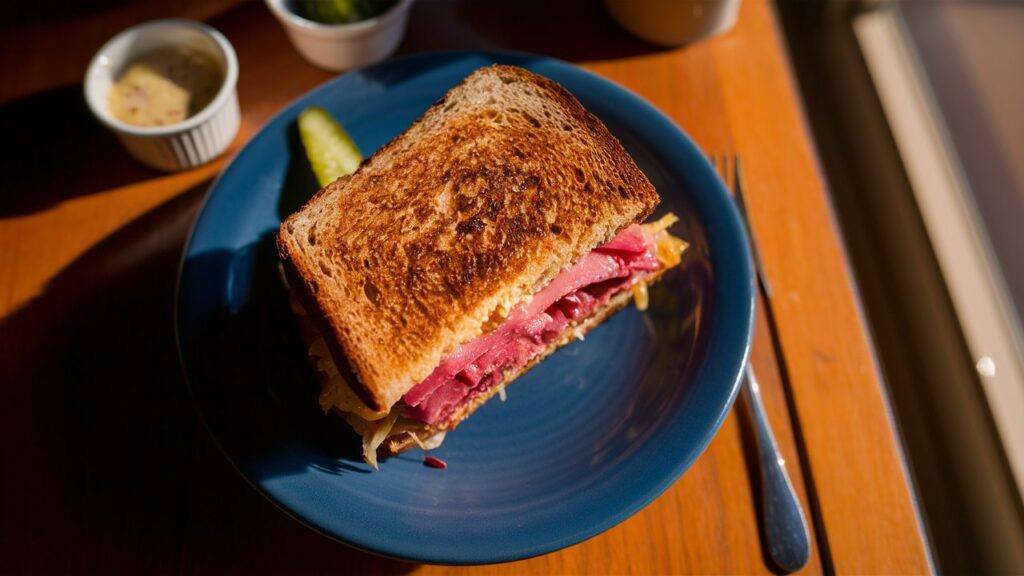
The undisputed king of all recipes with rye bread — corned beef, Swiss cheese, sauerkraut, and Russian or Thousand Island dressing grilled between two slices of seeded rye until the bread is golden, the cheese is melted, and the sauerkraut is warmed through. The caraway seeds in the rye bread in these recipes with rye bread are not optional — they are the flavor element that ties every other component together into something iconic.
The definitive Danish recipes with rye bread preparation — thin slices of dense dark rye topped with an infinite variety of beautiful combinations. Classic versions include herring with pickled cucumber and dill, roast beef with remoulade and crispy onions, and smoked salmon with cream cheese and capers. These recipes with rye bread transform dark rye’s intensity into an elegant vehicle for bold, assertive toppings.
One of the most surprisingly extraordinary recipes with rye bread — thick-sliced rye bread dipped in a vanilla, cinnamon, and egg custard and pan-fried in butter until deeply golden. The rye’s natural earthiness and slight sourness create a French toast that’s fundamentally more complex and interesting than the brioche version — simultaneously sweet and savory in a way that makes these recipes with rye bread completely addictive.
The most practical of all recipes with rye bread for using stale bread — cubed rye tossed with olive oil, garlic, and herbs and baked until genuinely crispy. Rye croutons in these recipes with rye bread hold their crunch in hot soup dramatically longer than white bread croutons — their dense texture resists soaking and maintains a satisfying bite even after several minutes in broth.
A revelation among recipes with rye bread for anyone who has only ever made stuffing with white bread — rye bread cubed and dried, combined with sautéed onions, celery, herbs, and broth into a stuffing with far more flavor complexity than the standard version. These recipes with rye bread stuffing preparations are particularly magnificent with roasted pork, duck, and game birds.
Elegant appetizer recipes with rye bread — very thin slices of dense dark rye toasted until crispy and topped with crème fraîche, smoked salmon, fresh dill, and a squeeze of lemon. These recipes with rye bread are the simplest possible path to a sophisticated appetizer that looks professional and tastes extraordinary.
The lighter cousin of the Reuben in these recipes with rye bread — sliced turkey breast replacing the corned beef, coleslaw replacing the sauerkraut, and Swiss cheese with Russian dressing, all grilled between seeded rye. These recipes with rye bread are slightly more accessible than the classic Reuben while maintaining the essential rye character that makes both sandwiches so extraordinary.
An Italian bread salad reinvented in these recipes with rye bread — cubed rye bread toasted until crispy, tossed with ripe tomatoes, cucumber, red onion, fresh basil, and a sharp red wine vinegar dressing. The rye’s robust flavor in these recipes with rye bread stands up to the bold dressing far better than traditional Tuscan bread.
Breadcrumbs made from dried rye bread in these recipes with rye bread produce meatballs with extraordinary depth — the earthy, slightly sour rye character permeates the meat mixture and produces a meatball that’s genuinely more interesting than those made with white breadcrumbs. These recipes with rye bread work beautifully with both beef and pork meatball preparations.
Slices of rye bread layered with caramelized onions, Gruyère cheese, and a rich beef broth in these recipes with rye bread — inspired by French onion soup but baked as a casserole rather than served as a soup. The rye absorbs the broth and softens to a silky, deeply flavored texture while maintaining enough structure to hold the layers of these recipes with rye bread together.
A Northern European-inspired recipes with rye bread interpretation — toasted rye cubes combined with quick-pickled red cabbage, cucumber, radishes, and a dill and mustard dressing. The rye’s natural affinity for pickled flavors makes these recipes with rye bread particularly harmonious and satisfying.
The modern classic upgraded in these recipes with rye bread — thick-sliced toasted rye topped with smashed avocado, flaky sea salt, red pepper flakes, and a soft-poached egg. Rye bread’s structural integrity in these recipes with rye bread means the toast doesn’t become soggy under the wet avocado — it maintains its crunch all the way through.
One of the most unexpected entries in these recipes with rye bread — cubed rye bread soaked in a rich custard with brown sugar, raisins, and caraway seeds, baked until set and served with a buttery whiskey caramel sauce. The earthy depth of rye transforms bread pudding in these recipes with rye bread into something genuinely sophisticated.
Simple, elegant, and completely irresistible recipes with rye bread — thin rye slices toasted until crisp, topped with light, whipped ricotta, a drizzle of wildflower honey, and fresh thyme. The interplay between the rye’s earthiness and the sweet, floral honey in these recipes with rye bread is one of the most surprisingly beautiful flavor combinations in bread-based cooking.
The most unexpected application in these recipes with rye bread — stale rye bread blended into a traditional Spanish gazpacho alongside the tomatoes and vegetables. The rye in these recipes with rye bread thickens the gazpacho naturally and adds a subtle earthy, slightly sour note that transforms the soup from a simple cold tomato preparation into something with genuine complexity.
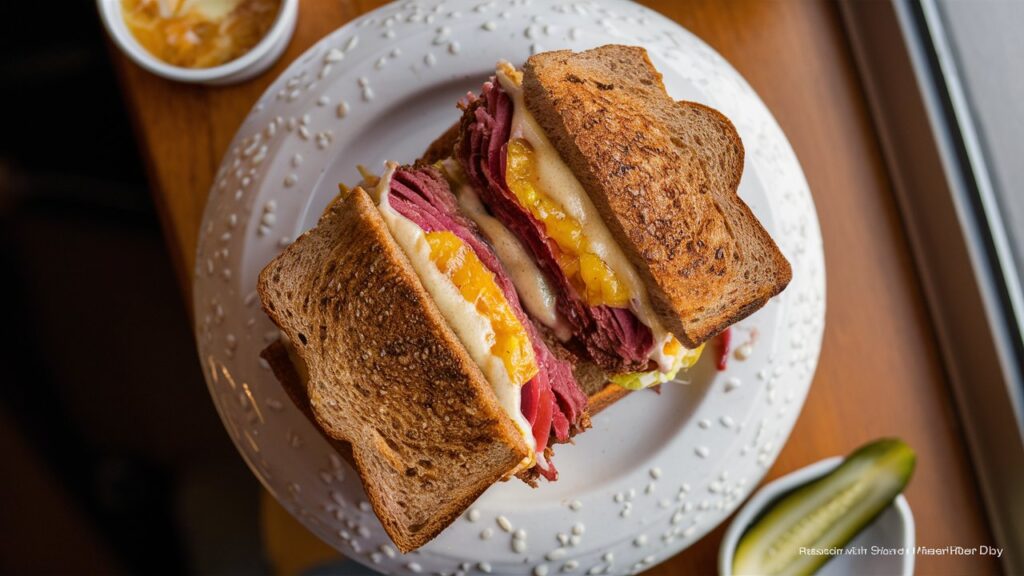
The flavor affinity principle. Rye bread’s natural flavor profile — earthy, slightly sour, mildly bitter, with the distinctive caraway note in seeded varieties — has a remarkable number of natural flavor affinities that make these recipes with rye bread so consistently successful. Rye is naturally complementary to cured and smoked meats, sharp and aged cheeses, pickled and fermented vegetables, fatty fish, and both sweet honey and savory mustard. Almost every ingredient in these recipes with rye bread leverages one or more of these natural affinities.
The structural advantage. Rye bread’s denser, more compact crumb structure means it absorbs moisture more slowly than lighter breads — making it ideal for these recipes with rye bread that involve liquid elements like soups, gravies, and wet fillings. Where white bread would become immediately soggy, rye maintains its integrity longer in these recipes with rye bread — providing a more satisfying textural experience throughout the meal.
The toasting transformation. Rye bread responds to toasting in these recipes with rye bread differently from lighter breads — developing a deeper, more complex caramelization that amplifies its natural earthy notes rather than simply browning them. Toasted rye in these recipes with rye bread has a genuinely different character from untoasted — more intense, more nutty, and more assertive in flavor.
Slice thinly for open-faced preparations. For the smørrebrød and crostini recipes with rye bread, slicing as thinly as possible — 5–8mm — produces the most elegant result. A sharp serrated knife and a steady hand produce clean slices in these recipes with rye bread without crushing the dense crumb.
Dry thoroughly before making croutons and breadcrumbs. Rye bread for croutons and breadcrumbs in these recipes with rye bread should be completely dried — either left out overnight or sliced and placed in a 100°C oven for 30 minutes until completely dry. Partially dried rye in these recipes with rye bread produces soft, oily croutons rather than genuinely crispy ones.
Don’t discard stale rye. Stale rye bread is actually ideal for many of these recipes with rye bread — bread pudding, panzanella, and breadcrumb preparations all benefit from bread that has dried out slightly. These recipes with rye bread make a strong case for never discarding a loaf that has passed its fresh peak.
Storing rye bread for these recipes: Rye bread keeps at room temperature wrapped in a clean kitchen towel for 3–4 days — slightly longer than wheat bread due to its acidity. Slice and freeze for up to 3 months for year-round access to these recipes with rye bread.
Croutons and crisps: Once made, rye croutons and crisps for these recipes with rye bread keep in an airtight container at room temperature for up to 5 days — significantly longer than white bread croutons due to their density.
What type of rye bread is best for these recipes with rye bread? The answer depends entirely on the specific recipe — light rye for sandwiches and French toast in these recipes with rye bread, dark rye or pumpernickel for smørrebrød and crisps, seeded rye for Reuben-style recipes with rye bread.
Can I substitute rye bread with sourdough in these recipes? Sourdough can substitute in many of these recipes with rye bread but produces a different — if still excellent — result. The specific earthiness and slightly bitter quality of rye flour is not present in wheat sourdough, so the flavor profile of these recipes with rye bread will differ.
Is rye bread healthier than white bread for these recipes? Rye bread generally has a lower glycemic index, higher fiber content, and more micronutrients than white bread — making these recipes with rye bread a genuinely more nutritious option for regular consumption.

These 15 recipes with rye bread prove that one of Europe’s oldest and most beloved bread varieties deserves a far more prominent place in the modern kitchen than it typically occupies. From the iconic Reuben to the elegant Nordic smørrebrød, from the surprising rye French toast to the deeply comforting rye bread pudding — every one of these recipes with rye bread demonstrates a different dimension of what this extraordinary bread can do.
Buy a good loaf of seeded rye. Make the Reuben first. Then work through these recipes with rye bread systematically — discovering why generations of Northern and Eastern European cooks built entire culinary traditions around this remarkable grain.


