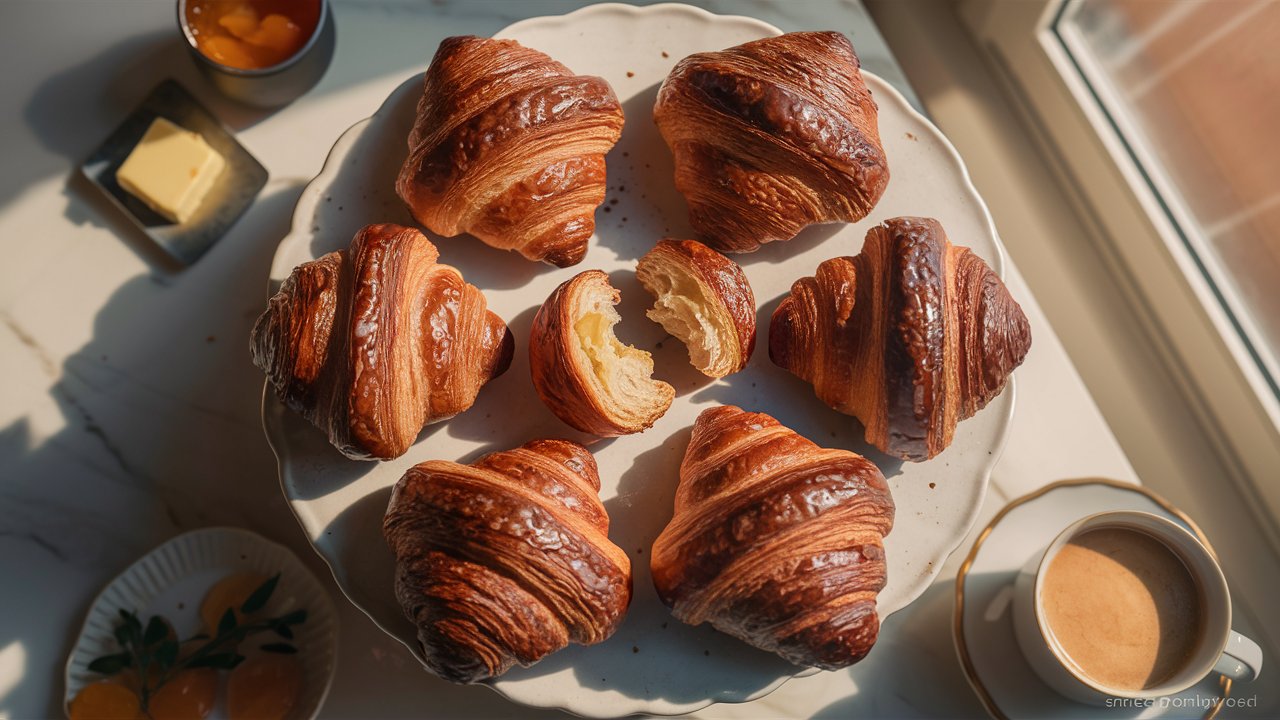
If you’ve been searching for an authentic gipfeli recipe that produces genuinely flaky, deeply buttery, beautifully golden Swiss croissants with…
If you’ve been searching for an authentic gipfeli recipe that produces genuinely flaky, deeply buttery, beautifully golden Swiss croissants with that distinctive tender-yet-crispy texture that makes every bite an extraordinary experience — you’ve found exactly what you need. This gipfeli recipe is the Swiss bakery classic that millions of people wake up to every single morning across Switzerland — served with coffee, jam, and butter at kitchen tables, hotel breakfast buffets, and café terraces from Geneva to Zurich, from Basel to Lugano.
The gipfeli recipe is Switzerland’s answer to the French croissant — similar in shape and concept but distinctly different in character. While French croissants celebrate maximum butteriness and dramatic flakiness, the gipfeli recipe produces a slightly denser, more bread-like pastry with a tender crumb that’s less aggressively laminated than its French cousin but no less satisfying. The gipfeli recipe is, in many ways, more approachable for the home baker — requiring less of the precise, demanding lamination technique that makes classic French croissants so intimidating.
This gipfeli recipe gives you everything — the authentic Swiss technique, the right dough, the correct lamination approach, and all the tips you need to produce a consistently beautiful batch of gipfeli every single time.
Before diving into this gipfeli recipe, understanding what makes Swiss gipfeli distinctive from other croissant-style pastries helps you appreciate both the technique and the final result.
The word “Gipfeli” comes from the Swiss German word for “peak” or “summit” — a reference to the pointed tips of the crescent-shaped pastry. The gipfeli recipe is the most consumed breakfast pastry in Switzerland, appearing in every Swiss bakery (Bäckerei) and enjoyed by virtually every Swiss person as part of their morning routine.
The gipfeli recipe differs from the French croissant in several important ways. First, Swiss gipfeli is typically less aggressively laminated — using fewer butter layers and a slightly different folding technique that produces a more tender, less dramatically flaky result. Second, the gipfeli recipe often uses a dough that’s slightly enriched with egg, producing a more golden color and a subtly richer flavor. Third, Swiss gipfeli tends to be slightly smaller and neater than French croissants — more compact and precise in their crescent shape.
The gipfeli recipe also exists in two main variations in Swiss bakeries — the classic plain gipfeli made with butter (Buttergipfel), and a slightly leaner version made with margarine or a combination of fats that produces a different texture. This gipfeli recipe focuses on the superior butter version — Buttergipfel — which is by far the most beloved and satisfying of the two.
Many home bakers approach the gipfeli recipe expecting it to be identical to French croissant making — and are surprised to discover the significant differences in technique and result:
Lamination layers: A classic French croissant typically uses 27 layers of butter (3 folds of 3 = 27). This gipfeli recipe uses fewer layers — typically 16 to 27 — which produces a more tender, more bread-like result with slightly less dramatic separation between layers.
Dough enrichment: This gipfeli recipe uses a slightly enriched dough with egg and sometimes a small amount of milk in the dough itself — giving the finished gipfeli a more golden color and richer flavor than a traditional French croissant dough.
Resting time: This gipfeli recipe generally requires less resting time between folds than French croissant making — making it more accessible for home bakers who don’t want to spread the process over two days.
Final texture: The finished gipfeli recipe pastry is slightly denser and more compact than a French croissant — with a tender crumb and gentle flakiness rather than the dramatically shattered, paper-thin layers of a classic French croissant. This makes the gipfeli recipe more forgiving of minor technique imperfections.
The shape: While both are crescent-shaped, Swiss gipfeli from this gipfeli recipe tend to be slightly smaller, more neatly formed, and with more tightly curled tips than French croissants.
The butter you use in this gipfeli recipe is the single most important ingredient — and investing in quality butter makes an enormous difference to the final result:
European-style butter: This gipfeli recipe requires European-style butter with a minimum of 82% butterfat. Swiss butter — naturally very high in fat due to Switzerland’s exceptional dairy farming tradition — is the ideal choice for an authentic gipfeli recipe. Brands like Kerrygold, Plugrá, or Président all produce excellent results.
Why butter fat percentage matters: Higher fat butter contains less water. Less water means the butter melts more slowly during lamination of this gipfeli recipe, staying solid longer and producing cleaner, more distinct layers. Standard American butter at 80% fat contains more water that can cause the layers to steam and merge during baking, reducing the flakiness of this gipfeli recipe.
Temperature of the butter: The most critical technical element of this gipfeli recipe is maintaining the butter at the correct temperature during lamination — cold enough to stay solid and not melt into the dough, but pliable enough to bend without cracking and breaking through the dough layers. The ideal butter temperature for this gipfeli recipe is approximately 13–16°C — slightly cooler than room temperature.
The butter block: For this gipfeli recipe, the butter for lamination is formed into a flat, square block before being incorporated into the dough. This ensures even distribution of butter throughout this gipfeli recipe and makes the lamination process more controlled and precise.

Lamination is the process that gives this gipfeli recipe its distinctive flaky, layered texture — and understanding it conceptually makes the hands-on process much easier:
What is lamination? In this gipfeli recipe, lamination refers to the process of folding a sheet of butter into the dough repeatedly to create alternating layers of dough and butter. When the gipfeli recipe bakes, the water in the butter turns to steam, pushing the dough layers apart and creating the characteristic flaky, airy structure.
The fold types: This gipfeli recipe uses a combination of letter folds (three-fold) and book folds (four-fold) to create the layers. Each fold multiplies the number of layers — three letter folds produce 27 layers, while two book folds produce 16 layers. Both produce excellent gipfeli recipe results.
Keeping everything cold: The most important practical consideration in making this gipfeli recipe is temperature management. If the dough or butter becomes too warm during lamination, the butter melts into the dough rather than maintaining distinct layers — producing a less flaky gipfeli recipe with a bread-like rather than pastry-like texture. Work quickly and return the dough to the refrigerator between folds if needed.
The resting periods: Between each fold in this gipfeli recipe, the dough must rest in the refrigerator for at least 20–30 minutes. This resting serves two purposes — it keeps the butter cold and it allows the gluten in the dough to relax, making rolling easier and preventing the dough from shrinking back during this gipfeli recipe lamination.
Keep everything cold. Temperature management is the most critical skill in this gipfeli recipe. If at any point the butter starts to look greasy or the dough feels warm, stop immediately and refrigerate for 20–30 minutes before continuing this gipfeli recipe.
Use a ruler. Precise dimensions when rolling and folding the dough of this gipfeli recipe produce more even layers and more consistent results. A ruler takes the guesswork out of lamination.
Roll evenly. Apply even pressure when rolling the dough of this gipfeli recipe — uneven rolling produces uneven layers that bake inconsistently. Roll from the center outward, rotating the dough 90° periodically.
Sharp edges, clean cuts. When cutting the dough triangles for this gipfeli recipe, use a sharp knife or pizza cutter and cut decisively — dragging the blade crushes the layers at the edges and reduces the flakiness of this gipfeli recipe.
Roll tightly but gently. When rolling the cut triangles into the crescent shape of this gipfeli recipe, roll firmly enough to create a tight spiral but gently enough not to compress the layers. Compressed layers produce less flaky gipfeli from this gipfeli recipe.
The egg wash. A careful egg wash applied just before baking is what gives this gipfeli recipe its beautiful deep golden color and glossy finish. Apply with a soft brush and avoid letting the egg wash drip down the cut sides — it glues the layers together and reduces the rise of this gipfeli recipe.
Proof until visibly puffed. The shaped gipfeli from this gipfeli recipe must proof until visibly puffed and jiggly — the layers should have separated noticeably and the gipfeli should wobble when the tray is gently shaken. Under-proofed gipfeli from this gipfeli recipe bake up dense and heavy.

Once you’ve mastered the classic gipfeli recipe, explore these beautiful Swiss bakery variations:
Chocolate gipfeli (Schokoladengipfel): Place a small piece of dark chocolate at the wide base of each dough triangle before rolling in this gipfeli recipe for a melted chocolate center that’s a Swiss bakery staple.
Almond gipfeli (Mandelgipfel): Fill each gipfeli recipe triangle with almond cream (frangipane) before rolling and top with flaked almonds and a light sugar glaze after baking.
Ham and cheese gipfeli: Place a thin slice of Swiss cheese and cured ham at the base of each dough triangle in this gipfeli recipe for a savory version that’s magnificent for breakfast or lunch.
Jam-filled gipfeli: Place a small teaspoon of thick apricot or raspberry jam at the base of each dough triangle in this gipfeli recipe for a fruity, sweet-filled variation.
Whole wheat gipfeli: Substitute 30% of the white flour with whole wheat flour in this gipfeli recipe for a nuttier, more nutritious gipfeli with a slightly denser texture.
Seeded gipfeli: Brush with egg wash and sprinkle with sesame seeds, poppy seeds, or a mixture of both before baking this gipfeli recipe for a beautiful, textured exterior.
The authentic Swiss breakfast: Serve this gipfeli recipe the Swiss way — with good coffee (café au lait or espresso), a small pot of butter, and a selection of jams. The Swiss typically eat their gipfeli by tearing off small pieces rather than cutting, dipping each piece into their coffee or spreading with butter and jam.
Fresh is best: This gipfeli recipe is at its absolute peak within 2 hours of baking — the flaky exterior is at its crispest and the interior is at its most tender. The quality diminishes noticeably after the first day.
Reheating: Day-old gipfeli from this gipfeli recipe can be revived by placing in a 180°C oven for 4–5 minutes — this re-crisps the exterior and warms the interior beautifully.
Freezing: Baked gipfeli from this gipfeli recipe freeze well for up to 1 month. Freeze in an airtight bag and reheat from frozen at 180°C for 8–10 minutes. Alternatively, freeze the shaped, unbaked gipfeli — proof in the refrigerator overnight before baking for fresh-baked gipfeli recipe any morning.
How long does this gipfeli recipe take from start to finish? This gipfeli recipe takes approximately 3–4 hours including lamination, resting, shaping, proofing, and baking. For the most relaxed process, make the dough and complete the lamination the day before, refrigerate overnight, and shape, proof, and bake the gipfeli recipe the following morning.
Why did my gipfeli recipe not get flaky? The most common causes are butter that was too warm during lamination (melting into the dough rather than staying in distinct layers) or under-proofing. Ensure butter stays cold during the entire lamination process of this gipfeli recipe and proof until visibly puffed and jiggly.
Can I make this gipfeli recipe without a stand mixer? Yes — this gipfeli recipe can be made entirely by hand. Mix the dough until smooth, knead for 8–10 minutes by hand, and proceed with lamination as described. The lamination process of this gipfeli recipe is entirely hands-on regardless of whether you use a mixer.
What’s the difference between gipfeli recipe and croissant recipe? The gipfeli recipe produces a slightly denser, more bread-like pastry with a more tender crumb and less aggressive flakiness than a French croissant. The gipfeli recipe also uses an enriched dough with egg and fewer lamination layers than classic French croissants.
Can I use salted butter in this gipfeli recipe? It is not recommended — salted butter in this gipfeli recipe produces an overly salty finished pastry. Always use unsalted European-style butter for this gipfeli recipe so you can control the salt level precisely.

This gipfeli recipe is proof that one of Switzerland’s greatest morning pleasures — a perfectly flaky, deeply buttery, beautifully golden gipfeli — can be made at home with patience, good butter, and a genuine understanding of the lamination technique that gives this extraordinary pastry its character.
Make this gipfeli recipe on a weekend morning when you have time to enjoy the process. Smell the butter as it bakes. Listen to the crackle of the flaky crust as you tear into the first warm gipfeli fresh from the oven. Spread it with butter and good jam. Drink it alongside strong Swiss coffee.
And experience for yourself why this gipfeli recipe — simple in concept, rewarding in process, and extraordinary in result — has been the centerpiece of Swiss morning culture for generations.


